

Export Lessons · Founder’s Perspective · Globi Artists Export & Import
I have been exporting handmade products from India for 2.5 years. I made every mistake in the book. I also discovered things no textbook will ever teach you — about buyers, artisans, pricing, cash flow, and the quiet power of a properly filed document.
Here are 5 lessons that changed how I run Globi Artists.
Lesson 01
Buyers don’t want “handmade.” They want proof of it.
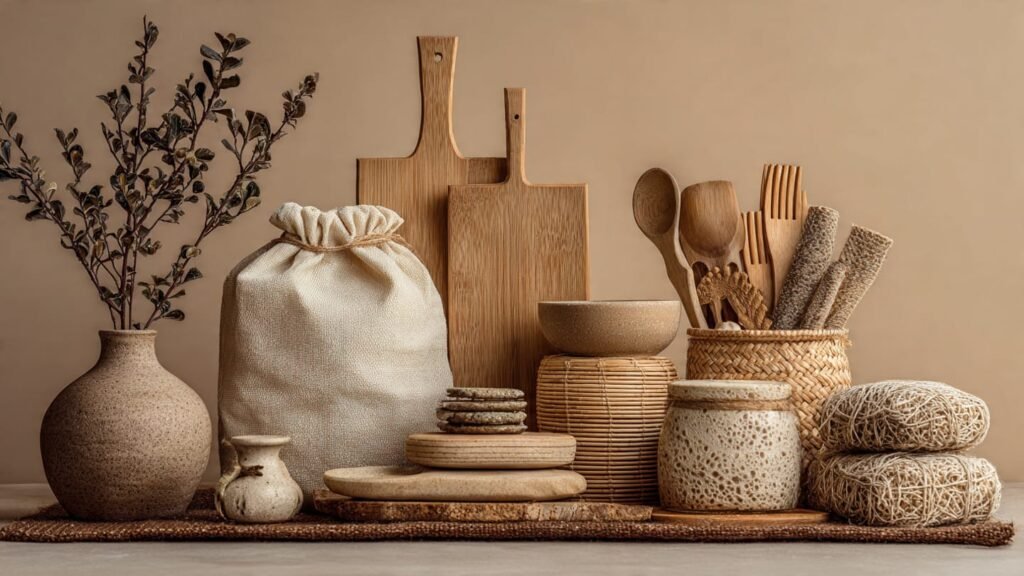
Every catalogue claims handmade. What international buyers are actually hunting for is evidence — the video of a craftsperson at work, the name of the village or city the product came from, the face behind the piece they’re about to resell.
Without that, you’re just another supplier in an inbox full of PDFs.
"I did not build Globi Artists. Mohad ji, Shakir ji, Paul ji, and Sarika ji — the craftspeople whose hands make every piece we ship — they built it. My job is to make sure the world knows their work."
— Sefali Saini
The artisan is not a cost centre. The artisan is the brand. Treat them like your biggest competitive advantage — because they are.
Key takeaway: Build QC processes and backup artisan teams. Real story sells. Systems keep customers.
Lesson 02
Where to actually find international buyers (it’s not where you think)
I spent over 6 months on the wrong platforms before someone pointed me in the right direction. Here’s the map that actually works for Indian handmade exporters:
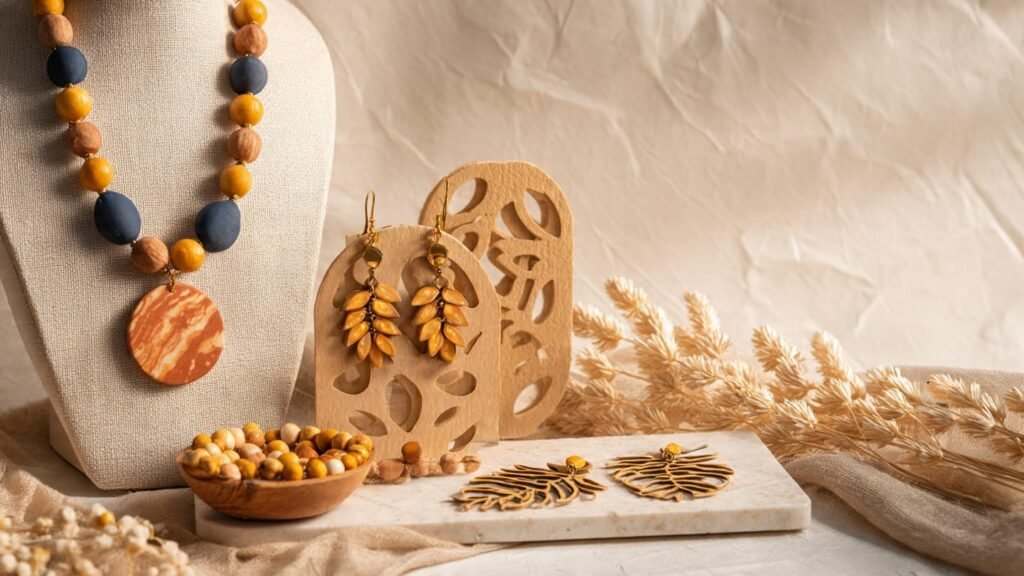
- Etsy — US, UK, and Australian boutique buyers who actively seek authentic, story-led craft products
- LinkedIn — importers, distributors, and sourcing agents looking for reliable Indian suppliers
- IHGF Delhi Fair — serious B2B bulk buyers who come with purchase orders, not just curiosity
- Faire.com — independent retailers across Europe, USA, and Australia
- Instagram DMs — yes, it works. Small orders, relationship-building, and brand visibility all in one
Key takeaway: The right platform matches your buyer’s mindset. Handmade is a premium category — go where premium buyers shop.
Lesson 03
The pricing mistake almost every new exporter makes
We underprice because we’re afraid the buyer will say no. Here’s what I learned the expensive way:
A buyer who chooses you on price alone will leave the moment someone cheaper appears. A buyer who chooses you for your craft, your story, and your reliability will stay for years — and bring referrals.
“A hand-carved mango wood tray with natural beeswax finish is not a ₹300 product. Stop selling it like one.”
Key takeaway: Price your product for what it is worth. Under pricing doesn’t just hurt your margin — it signals low value to the very buyers you’re trying to attract.
Lesson 04
Payment cycles will test your cash flow — plan for it
Here’s the reality of handmade export: you pay your artisans today. You get paid 30–60 days later. And when returns happen, they cost more than the product itself.
Cash flow is the silent killer of small handmade businesses. It’s not the quality. It’s not the demand. It’s the gap between when money goes out and when it comes in.
Key takeaway: Plan for delays. Build a buffer. Cash flow is what keeps handmade businesses alive — not Instagram followers.
Lesson 05
Documentation saves orders. The lack of it kills them.
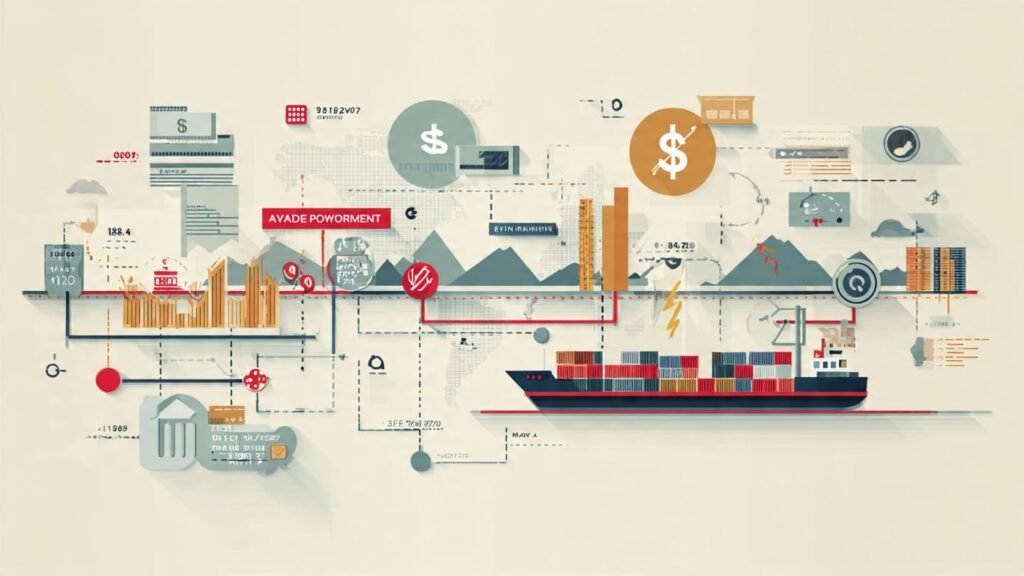
In 2.5 years of exporting, I’ve seen small exporters lose confirmed international orders because they couldn’t produce the right paperwork at the right moment.
Here are the documents you need before your first inquiry — not during, not after:
- HS Code Correct classification for your product category
- IEC Importer Exporter Code — your export passport
- MSME / Udyam Unlocks government incentives worth lakhs
- EPCH / FIEO Industry body membership for credibility
- Phytosanitary Cert. Mandatory for wooden goods — UK, EU, USA
- Certificate of Origin Required for preferential duty rates
My background in shipping accounts taught me this: documentation is not bureaucracy — it is your passport to every market in the world.
Globi Artists was built on these 5 lessons. We are still learning every day. If you are a small Indian exporter wondering where to start — start with your story. Everything else follows.
Ready to source something the world will remember?
Explore handcrafted wooden décor, eco jewelry, artisan bags, and kitchenware — ethically sourced from India’s finest artisan clusters.
https://www.instagram.com/globiartists / globiartist@gmail.com / https://linkedin.com/company/globiartists/